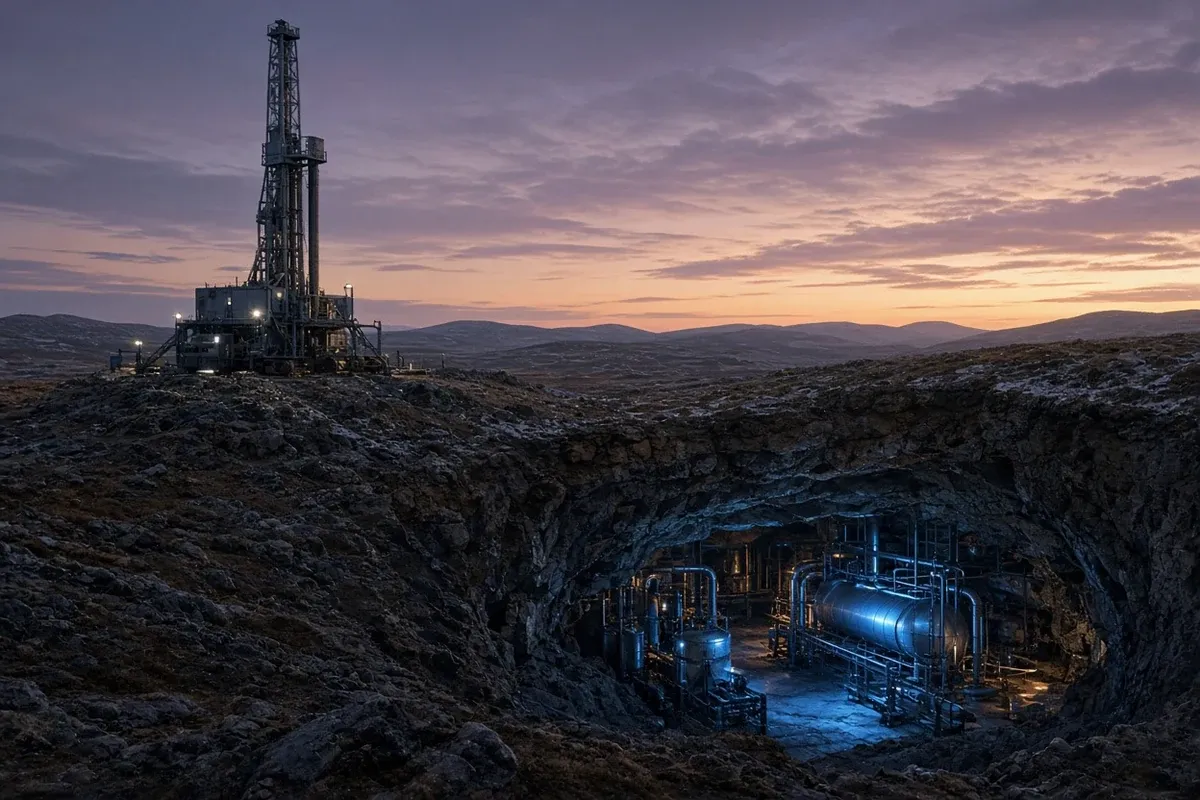
A grant of up to $17.8 million from the Regional Infrastructure Fund will accelerate exploratory research into the commercial viability of hydrogen resources in Southland, Regional Development Minister Shane Jones says.
The project is led by Earth Sciences New Zealand in collaboration with the University of Canterbury and the University of Auckland. It is a two-phase early-stage natural and orange hydrogen exploration programme, beginning with a drill site near Bluff. It will also include investigations into identifying a prospective North Island natural hydrogen drilling location.
"This investment is about improving our understanding of hydrogen and whether it can provide New Zealand another source of energy at a time when global access to energy resources is increasingly uncertain," Jones said.
"Hydrogen presents an exciting economic and emerging energy opportunity. We need to better understand how hydrogen could support New Zealand's economic growth, strengthen energy security, and build on our natural advantages.
"The research will help establish whether New Zealand's natural hydrogen resources can be commercially developed. This is an important step towards building a clearer picture of how hydrogen can contribute to our economic prosperity."
Jones said the funding aims to open up long-term economic value in the regions. "This RIF investment aims to unlock long-term economic value in our regions through the innovative use of New Zealand natural resources," he said.
"The research data from the project is intended to be open access, improving our collective understanding of New Zealand's natural hydrogen potential and allowing government, researchers and industry to make better-informed decisions about regulation, future exploration, and investment."
Funding comes from the government's $30 million RIF hydrogen package announced in August to help grow the hydrogen sector.
White hydrogen, also known as natural hydrogen, occurs naturally underground. Orange hydrogen is produced through reactions of certain rock formations. Both are emerging globally as potential lower-emissions sources of hydrogen for industrial processes, fertiliser and chemical production, fuel, and hard-to-electrify sectors such as heavy transport, industry, aviation and the maritime sector.