
news
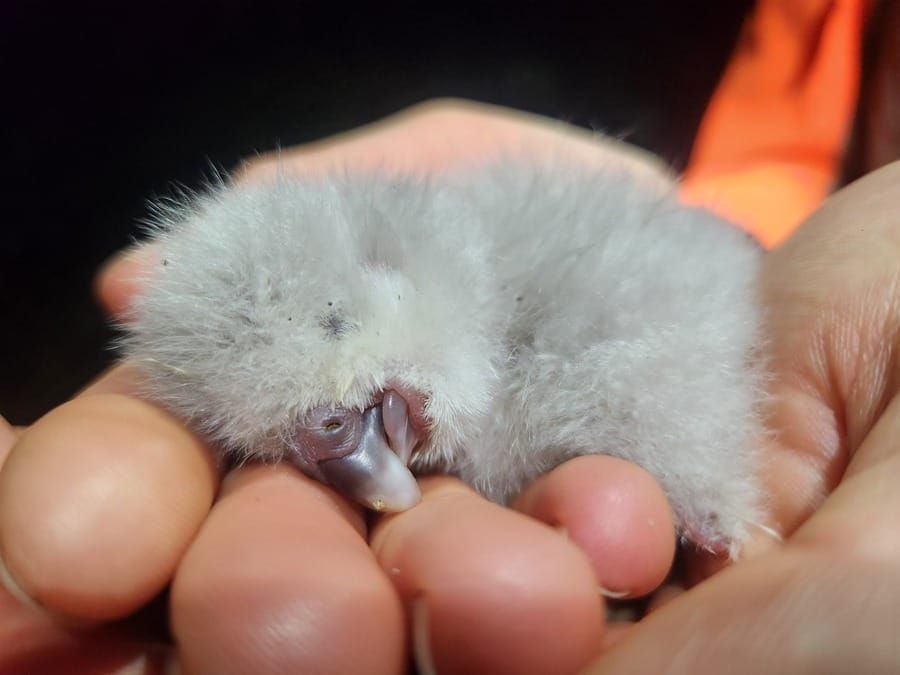
The first kakapo chick of the breeding season has hatched on Pukenui Anchor Island, marking a hopeful step forward for one of New Zealand’s rarest birds.
The chick was hatched by Yasmine, who fostered an egg from another kakapo, Tiwihiri, on Valentine’s Day. The arrival brings the total kakapo population to 237, although the chick will only be officially counted once it fledges.
DOC Operations Manager for kakapo and takahe, Deidre Vercoe, says the first chick of the season is always a significant milestone for a species still fighting for survival.
“These exceptionally rare taonga only breed every 2-4 years, so it’s a long time between chicks. We have more breeding-age birds than ever before this season, so we’re anticipating many more chicks to come.”
Because kakapo breed only every few years, careful management plays a key role in improving survival rates. Fostering eggs between females is one of the tools used to give chicks the best possible start.
“Kakapo mums typically have the best outcomes when raising a maximum of two chicks. Biological mum Tiwihiri has four fertile eggs this season already, while Yasmine, an experienced foster mum, had no fertile eggs.”
So far this season, 187 eggs have been laid, with 74 confirmed as fertile. However, not all fertile eggs will hatch, and not all chicks will survive to fledging. The species once dropped to just 51 birds, creating a genetic bottleneck that conservation teams continue to manage.
“Kakapo are one of the most intensively managed species in the world and while numbers are still so low, the breeding season requires a lot of intervention.
“Priority goes to the eggs and chicks that are less well-represented across the gene pool, and we have a more hands-off approach with those that are well represented. This approach helps us answer questions around what a natural breeding season might look like one day.”
Te Runanga o Ngai Tahu representative on the Kakapo Recovery Group, Tane Davis, says the hatching is a meaningful moment.
“Pukenui Anchor Island serves an important purpose in accommodating the growing numbers of not only kakapo but other critically endangered taonga species.
“While it is wonderful to see the manu thriving on this island due to its predator free status, we need to continue our collective efforts to create other safe havens for the chicks of the future.
“One of our future aspirations through Predator Free Rakiura is to return the kakapo back to its original home,” Tane says.
For those wanting a closer look, Kakapo Cam is again live from the nest of Rakiura on Whenua Hou Codfish Island. Rakiura is sitting on two eggs, with one expected to hatch within a week, offering viewers a rare chance to watch a chick emerge live.
The Kakapo Recovery Programme has been supported since 2016 by National Partner Meridian Energy.
Meridian Energy CEO Mike Roan says it is a proud moment.
“We’re absolutely thrilled to welcome the first kakapo chick, beginning what we hope will be a bumper breeding season. Every chick is a milestone for the species, and we’re excited to play a part in helping these incredible birds thrive for generations to come.”