
Farming & Rural
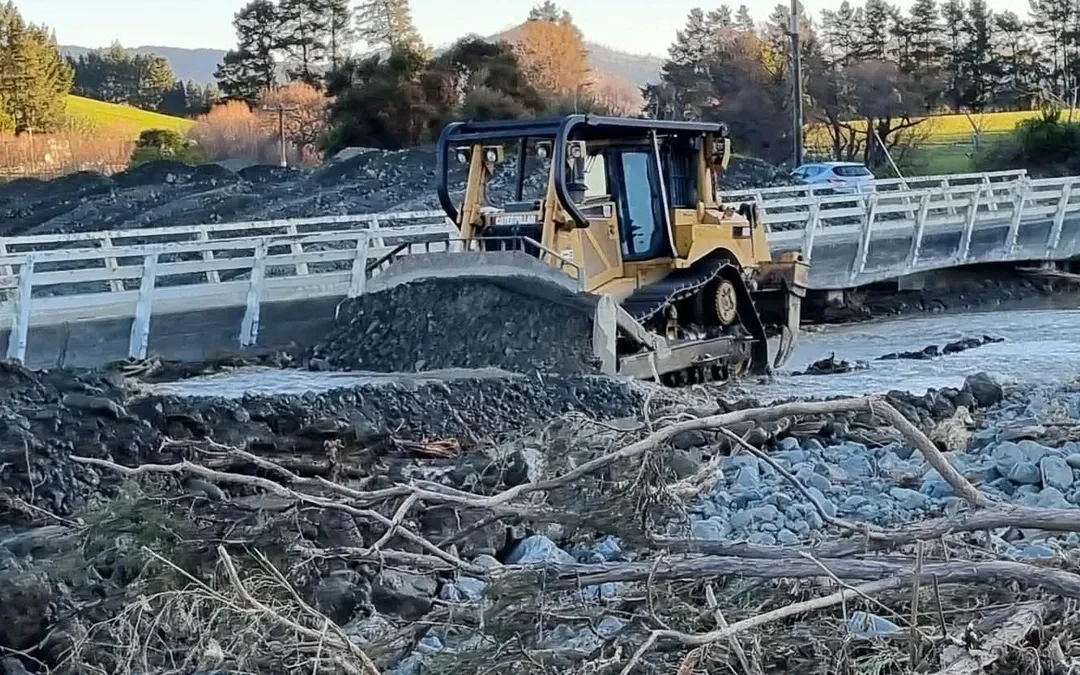
Southland farmers may soon be able to pull gravel from rivers and their own properties without going through a resource consent process, under proposals announced by National at the South Island Election Conference.
Invercargill MP Penny Simmonds has backed the plans, saying gravel build-up in local rivers is already a live problem. "Gravel build-up can cause major problems raising riverbeds and creating flood risk — we've seen it happening in our rivers over time and it's caused huge community concern," Simmonds said.
Under the proposed changes, river gravel extraction would become a permitted activity where farmers meet a set of standard conditions. Farmers would also be able to extract aggregate from on-farm quarries for tracks and basic maintenance without needing consent.
"Gravel extraction is often the most cost-effective flood protection option available — it makes sense to allow this to happen consistently and seamlessly," Simmonds said. "These changes have been a long time coming and I know that the rural community in the South will be breathing a sigh of relief that their voices have been heard and that change is on the way."
Federated Farmers has come out in support. President Colin Hurst said inconsistent rules across council boundaries have been a long-running frustration. "Farmers need certainty and sensible rules on everyday farming activities, not a different consenting regime depending on which side of a council boundary they happen to be operating on," Hurst said.
The case for change isn't abstract. Flooding in North Canterbury and Wairarapa has demonstrated what happens when rivers aren't kept clear. "New Zealand has always had to manage its rivers. Gravel is constantly being washed down our catchments, and if it builds up unchecked, riverbeds rise and the risk of flooding increases," Hurst said.
A national standard wouldn't mean one-size-fits-all rules. Hurst was clear on that. "There should absolutely be strong environmental safeguards, and the rules need to recognise that rivers and catchments are different. A national standard can set different conditions for different types of rivers and catchments, and there can still be places where extraction is prohibited."
On farm quarries, the logic is similar. Many farmers already have usable aggregate on their own land but can't access it economically. "Many farmers have perfectly good sources of aggregate on their own farms, but the cost and uncertainty of getting a resource consent can mean they're forced to buy material from somewhere else, which makes absolutely no sense," Hurst said.
Federated Farmers is pushing for the same national-rules approach to be applied across eight other areas, including drain maintenance, effluent management, on-farm water storage and wetland restoration. "This is exactly the sort of practical reform we want to see more of," Hurst said.