
Health & Wellbeing
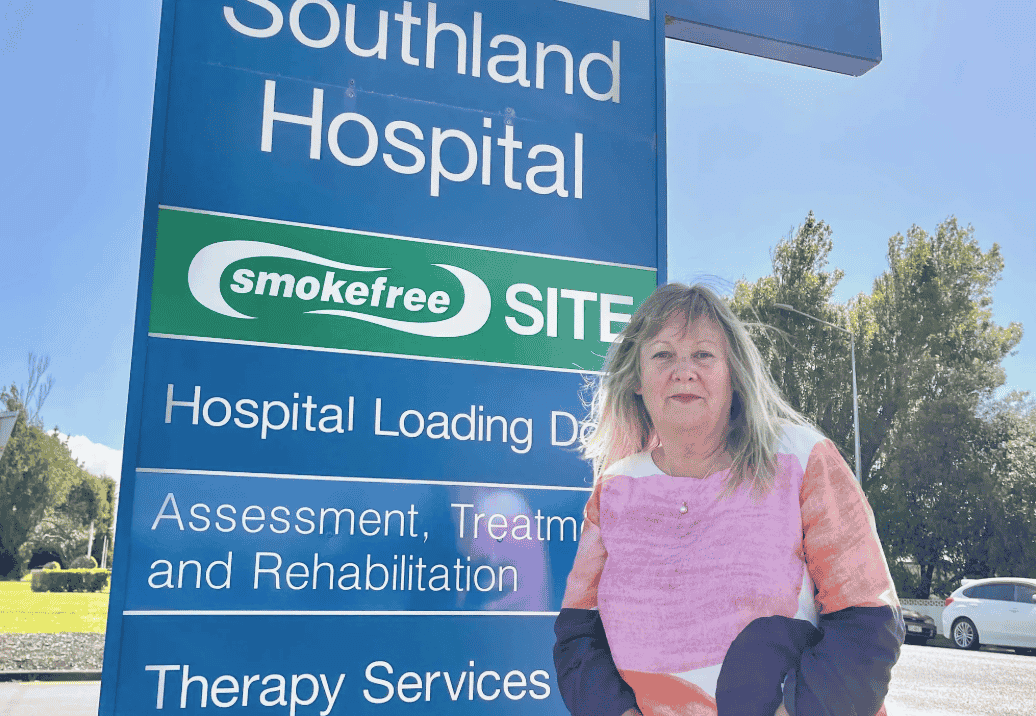
Health services across New Zealand are set for a significant shift, with decision making moving closer to local communities from 1 July. The changes are being welcomed by Invercargill MP Penny Simmonds, who says they will help ensure healthcare better reflects the needs of regions such as Southland.
Under the reforms, Health New Zealand will give regions and districts greater authority over workforce decisions, budgets, and service delivery. National leadership will remain responsible for strategy, standards, and system-wide planning.
Simmonds said the move would mark a return to more locally informed decision making. “This will mean local decisions, which reflect the needs of local communities like Southland, will be a priority.
“It’s all about allowing people in this region to get better access to care and to improve health options.
“While the days of the Southern District Health Board might not have been perfect - at least we had decisions made by those who understood our community and the needs of local patients.”
She also criticised earlier health reforms, saying they had weakened frontline services. “The previous Government’s decision to restructure the health system, in the middle of a pandemic, didn’t work and we saw wait times balloon and service delivery decline.”
Health Minister Simeon Brown said the changes were designed to create a system that balances national oversight with local delivery. “The message from frontline doctors and nurses has been clear: healthcare works best when decisions are made by those who understand their communities and work directly with patients.”
He said hospitals would be able to recruit and deploy staff more quickly without requiring central approval, helping them respond faster when demand rises. “Regions and districts will have clearer authority over workforce, resources, and service delivery, while national leadership focuses on strategy, standards, and system planning.”
Brown stressed that the reforms are not a return to the previous District Health Board model, but a step towards reducing bureaucracy and improving efficiency. “Putting patients at the centre of the system means decisions about services and resources are made as close as possible to those receiving care.”
Both leaders say the goal is to create a more responsive health system that improves access to care and reduces waiting times, while ensuring communities have a stronger voice in how services are delivered.