Invercargill Considers Tech Upgrade for Parking Enforcement
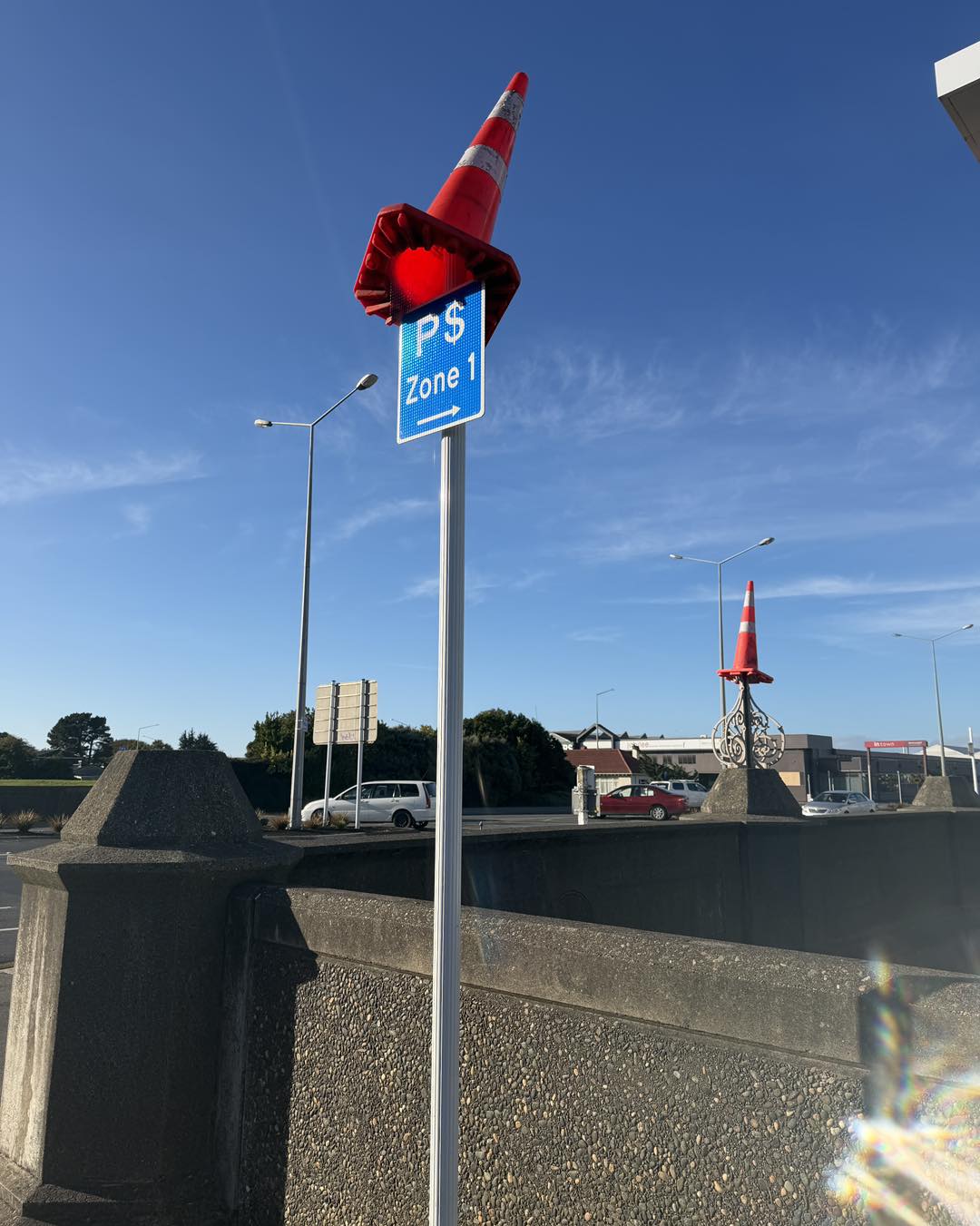
The council has issued a tender for vehicle-mounted technology that would work alongside handheld devices, following reports last year that parking wardens sometimes needed to work in pairs due to increased public hostility. Photo: whatsoninvers.nz
Invercargill City Council is looking to introduce number plate recognition technology for parking enforcement as part of efforts to modernise operations and improve safety for staff.
The council has issued a tender for vehicle-mounted technology that would work alongside handheld devices, following reports last year that parking wardens sometimes needed to work in pairs due to increased public hostility.
Council manager Jonathan Shaw said the technology aims to "improve parking accessibility and safety for our officers" while helping the council "move with the times".
"This technology enables us to move with the times and is meant to compliment, not replace, our existing methods of compliance," Shaw told Local Democracy Reporting.
The system would focus primarily on time-restricted and metered parking spaces, while human enforcement officers would continue handling illegal parking situations, investigating complaints, and issuing fines for expired vehicle warrants of fitness or registration certificates.
Shaw said the technology would also provide valuable data on parking patterns across the city.
"It [the technology] is also able to collect data around car parking occupancy rates and demand, which will further support any future development of car parking infrastructure in the city."
Benefits of the system include improved carpark turnover, more positive interactions between compliance officers and the public, and better information about parking habits throughout Invercargill.
The technology is becoming increasingly common across New Zealand. This week, Porirua City Council began using a car fitted with similar technology to patrol streets. In Hastings and Havelock North, a 'fine sweeper' vehicle caught more than 5000 vehicles in just five months during 2025.
"Council's tender process for this technology is still in the preliminary stages, and exact costs will depend on the successful vendor," Shaw said.
The tender process opened on April 21 and is scheduled to close on May 19. The council has not yet indicated when the technology might be operational if the tender proceeds successfully.
The move comes as councils nationwide grapple with both technological advances in enforcement and growing tensions between parking officers and members of the public.
Share this article
The link has been copied!
Your link has expired. Please request a new one.
Your link has expired. Please request a new one.
Your link has expired. Please request a new one.
Great! You've successfully signed up.
Great! You've successfully signed up.
Welcome back! You've successfully signed in.
Success! You now have access to additional content.