
Councils
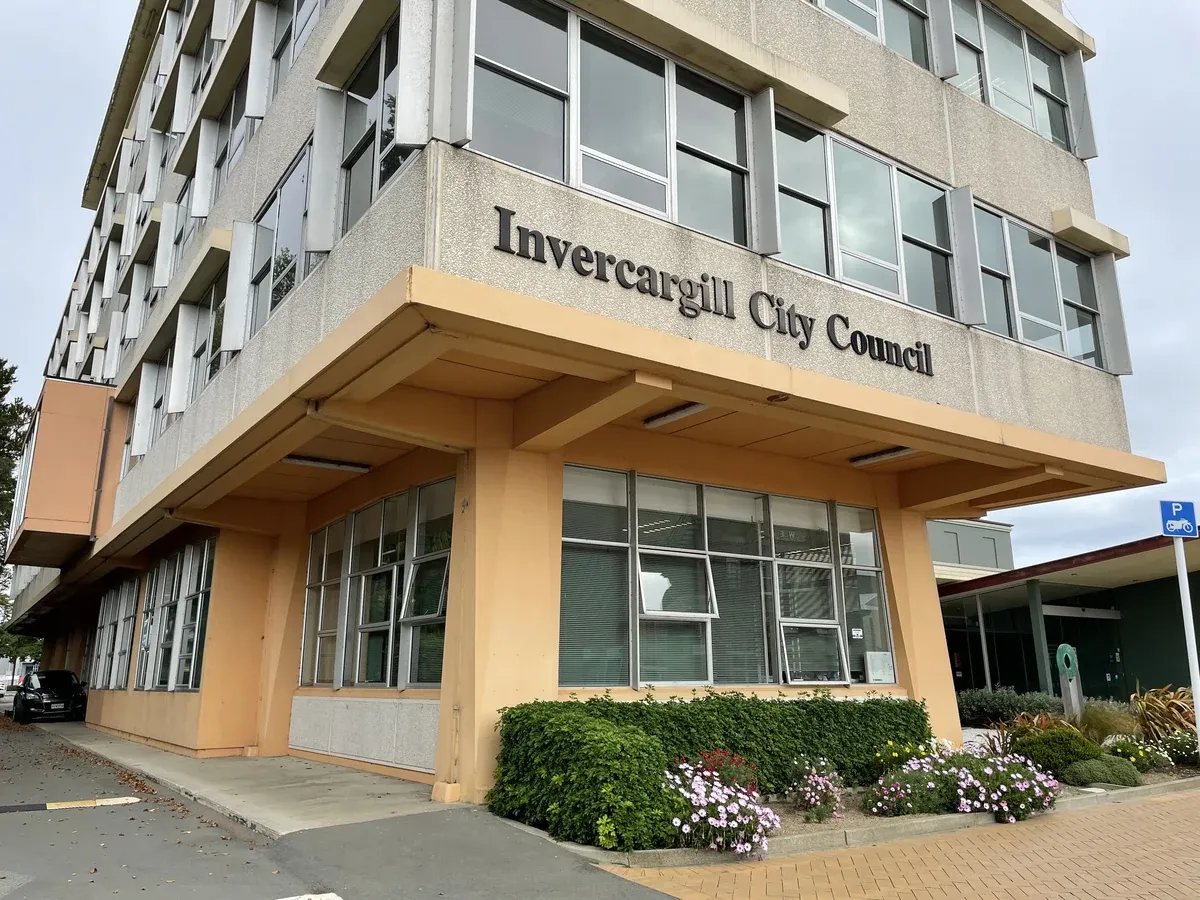
The Invercargill City Council is carrying out a comprehensive review of its critical public safety and infrastructure risks, following the Mount Maunganui landslide disaster.
In January 2026, six people lost their lives at the Mount Maunganui Beachside Holiday Park, following the natural disaster.
An external review found that Tauranga City Council knew of the landslide risk, that geotechnical consultants had recommended a Trigger Action Response Plan (TARP) in December 2023 and June 2025, and that those recommendations had not been implemented by the date of the event.
Councillors asked staff on Tuesday whether there has been any identified need for any urgent or immediate checks or controls across its assets in Invercargill.
ICC chief executive Michael Day said there were some items that were drawn to his attention pretty quickly after the tragedy.
“From an executive perspective, we did take a stocktake look to see if we got everything on our list in relation to the critical risk awareness and mitigations in place.
He said it was fair to say there were some areas that they looked at that might need more investigation, “and we need to actually hone in a bit deeper on that.”
A report to council from Peter Patton - manager risk and continuous improvement and manager – health, safety and wellbeing Corrine Wright, said the four independent reports concerning the landslide and flooding of Moa Point Wastewater Treatment Plant identifies themes relevant to Invercargill.
The two events were different in nature but the reviews identify recurring system level failures.
“There is a real danger that everyone assumes someone else is managing the risk,” Peter told the meeting.
The ICC decided that a targeted gap assessment against risk, asset management, emergency management, project governance and contractor oversight arrangements would enable the executive leadership team and council to confirm where controls are effective and where further strengthening is warranted.
A further report will be brought back by the manager – governance in December, outlining how the governance team will help ensure that reports and other matters requiring consideration are not missed by council or its committees.
Staff confirmed they were looking at both public safety risks and infrastructure risks that are critical to life.
Peter said most of the risk already relate to those on the risk register, but the review will take a refreshed strategic look, and then report back to elected members, “which will give you the assurance that we’ve got the critical risks identified.”
The work will take some time but staff anticipated to have it near completed by the end of February.