The reforms mark a shift away from years of centralisation and are designed to bring decision-making back to communities, improve accountability, and create stronger links between education providers, employers, and learners.
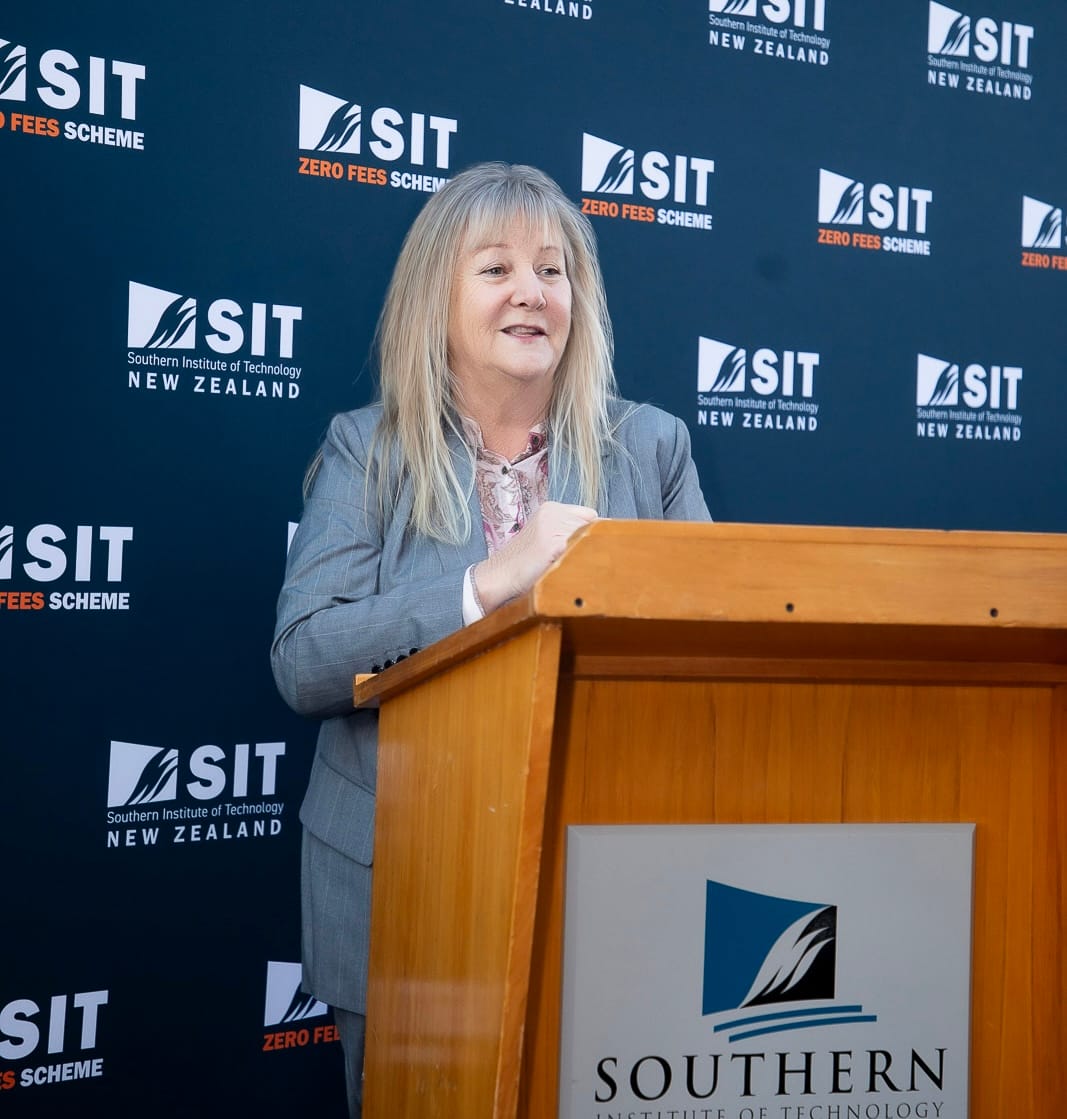
Vocational Education Minister and Invercargill MP Penny Simmonds said, “Today is the start of a stronger, more responsive vocational education system both here in the South and across the country.”
The ten re-established polytechnics are Southern Institute of Technology (SIT), Ara, EIT, NMIT, Toi Ohomai, Wintec, Unitec and MIT, Otago Polytechnic, UCOL and The Open Polytechnic. Each institution now has the authority to make decisions that reflect the specific training and employment needs of their region.
“SIT is such an important part of our community and local people feel a strong sense of ownership. That’s why it’s so positive that SIT, including Telford campus, has had regional decision-making restored,” Simmonds said.
She added, “The Southland community knows its own educational needs and SIT, and its Council, will now be able to respond with the agility and accountability that was lost under the previous centralised model.”
Eight new Industry Skills Boards have also been set up, placing employers at the centre of work-based training. These boards will represent sectors such as construction, infrastructure, health, food and fibre, services, and technology. Their role is to endorse programmes, set standards, and ensure apprentices and trainees gain qualifications that are relevant and trusted.
“Locally led, regionally responsive, and future focused vocational education is at the heart of what will become this region’s on-going success story,” Simmonds said. “It will allow us to grow our economy, to support local business and industry, and to give people practical pathways into meaningful work.”
This reset aims to rebuild confidence in the vocational system by focusing on real skills, real jobs, and real value for communities across the country.
“Today marks an important new beginning for SIT and for learners, industry and employers around the South,” Simmonds said.
By Hon Penny Simmonds, Minister for Vocational Education
Share this article
The link has been copied!
Your link has expired. Please request a new one.
Your link has expired. Please request a new one.
Your link has expired. Please request a new one.
Great! You've successfully signed up.
Great! You've successfully signed up.
Welcome back! You've successfully signed in.
Success! You now have access to additional content.