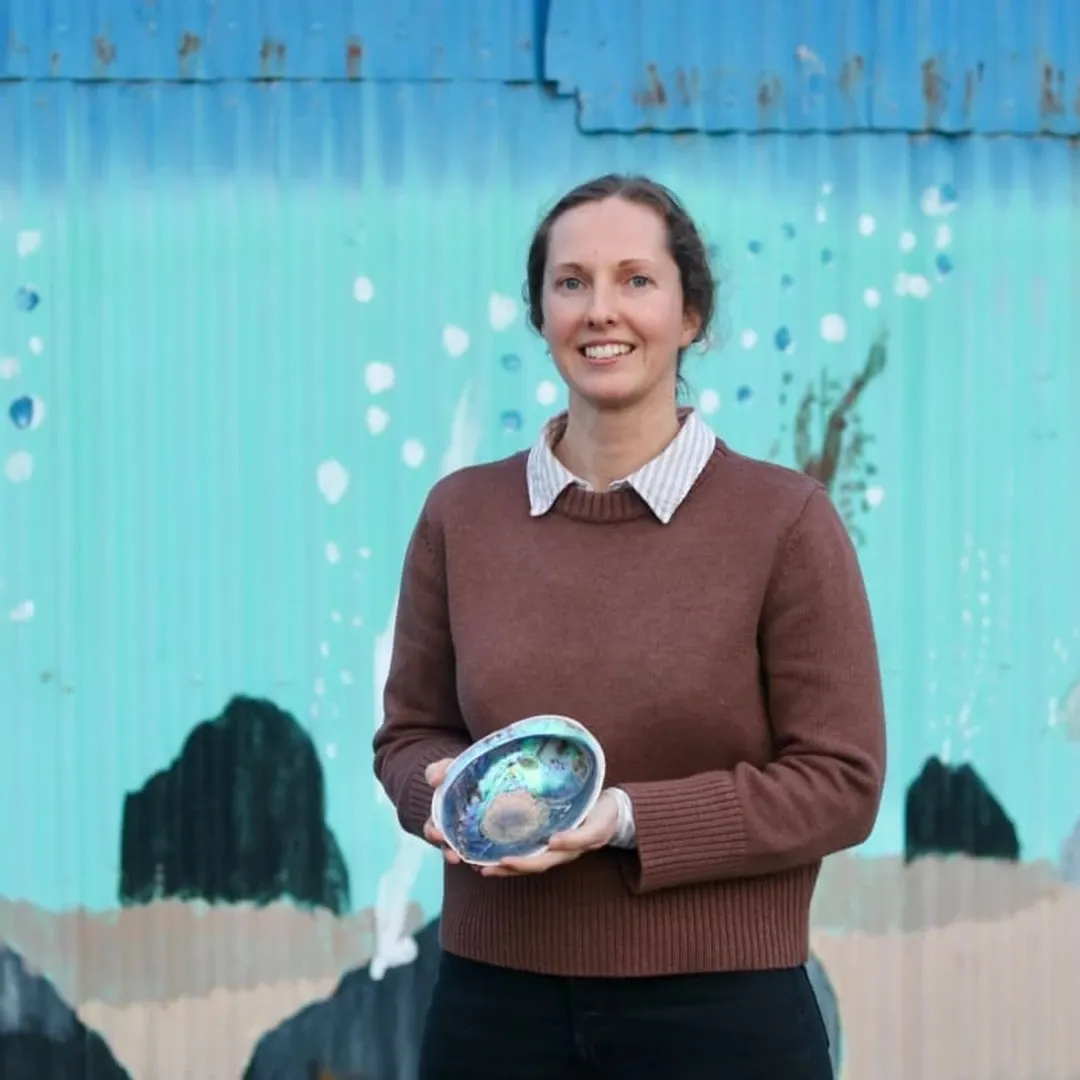
A factory in Riverton is selling around one million pāua shells a year to Chanel, Cartier and the Sultan of Oman — and still can't keep up with demand.
Ocean Shell Ltd, based on a quiet street in the small Southland town, processes and exports pāua shells alongside mother of pearl, trochus and abalone varieties sourced from as far away as Papua New Guinea, South Africa and Chile. The business moves 250 tonnes of shell per year.
Owner Nina Shields said the gap between how New Zealanders regard pāua and how the rest of the world does is staggering.
"Around here you just see it lying around. People think it's abundant, whereas outside of New Zealand, people really value it. They think it's magical," she said.
Her father Bruce Shields spotted that gap in 1992 when he took over the business from a local diver and started marketing directly to overseas factories, cutting out local brokers entirely.
"When I started, I knew nothing about pāua shell. I just saw it as a business opportunity and we became known as reliable, honest and trustworthy," he said.
The company's wholesale arm sells whole shells, shell pieces and veneer sheets to manufacturers who turn them into furniture inlays, jewellery, luxury packaging and fashion accessories. One client does palace fit-outs.
"We work with a furniture fabrication company that's based in Oman who does all the fit outs for the royal family and they've got a thing for pāua. It is all over the palace walls," Shields said.
The uses get stranger from there. "Some of the mother of pearl powder gets used in whitening face creams and we've also supplied mother of pearl powder to some medical companies that were using it for bone grafts. So there are some pretty random uses."
But supply is shrinking. Pāua exports have dropped from roughly 200 tonnes a year to 100. The rapid growth in live pāua exports — now around 40 percent of the harvest — means more shells are going straight to Asia rather than being shucked locally.
"Historically we're getting the shell because the meat gets shucked from the shell. It goes into a can and then it's sold. Now probably 40 percent is going live to Asia," she said.
Constrained supply has pushed prices up threefold over a decade. New inquiries keep coming in that Ocean Shell simply cannot fill.
"We're getting inquiries weekly from new customers or new people that would like to buy large quantities of shell that we simply can't supply because we've already sold what we have," Shields said. "To me it seems crazy that there's literally money lying on the ground and we just can't access it but the law is the law."
That law is New Zealand's ban on selling recreationally harvested seafood. Shields supports the intent — "that's in place for good reason, not wanting to incentivise overfishing" — but thinks a targeted exemption could work.
The Chatham Islands already has one. Locals can collect pāua shells that wash up naturally on beaches and sell them to Ocean Shell, with proceeds directed to local infrastructure and youth programmes. When the company tried to run a similar drive in Southland to raise money for Colac Bay's ageing surfer statue, it couldn't get it over the line. "Unfortunately, they just had to run hundreds of quiz nights," she said.
If the exemption went nationwide, Shields estimates Ocean Shell could buy 300,000 shells a year worth $500,000 — money she says could flow to community groups while giving regulators better data on what recreational divers are actually harvesting.
"We'd be collecting data that's helpful for making sure the industry is sustainable, as well as supporting community," she said. "I just think it would be amazing for community groups or non-government organisations to be able to have this funding stream."
The comparison she keeps coming back to is greenstone. "If you think about greenstone, you never see greenstone lying around because it's so valuable, but you see pāua shell just scattered in people's gardens," she said.
Share this article
The link has been copied!
Your link has expired. Please request a new one.
Your link has expired. Please request a new one.
Your link has expired. Please request a new one.
Great! You've successfully signed up.
Great! You've successfully signed up.
Welcome back! You've successfully signed in.
Success! You now have access to additional content.