
A new Emergency Management plan for Southland has unearthed an unnerving detail about warning systems in the event of a tsunami.
This week, Southland's civil defence emergency management group adopted its plan for the next five years - a 106-page document which will now be sent to the relevant Minister.
The plan said a tsunami was unlikely, but carried high risk, and gave special mention to the Puysegur Trench southwest of Fiordland.
A large tsunami from that trench posed a hazard to coastal areas on the south and west of the South Island, Tasmania and southeast Australia, it warned.
"It is unlikely there would be sufficient time to utilise warning systems in the event of a large Puysegur Trench earthquake and so persons in coastal areas in Southland are encouraged to evacuate inland or to high ground if an earthquake is long or strong."
The plan identified five high-risk hazards - earthquakes, tsunami, flooding, human pandemic, and animal pest or disease.
On the topic of earthquakes, there was a 75 percent chance of a major event on the Alpine Fault in the next 50 years, the impact of which would be felt nationally.
The plan also noted that isolated areas such as Fiordland and Rakiura/Stewart Island faced "heightened" consequences in an emergency.
"Both areas are vulnerable to Alpine Fault earthquakes, tsunami, and severe weather, with steep terrain and fragile lifelines increasing the likelihood of prolonged isolation."
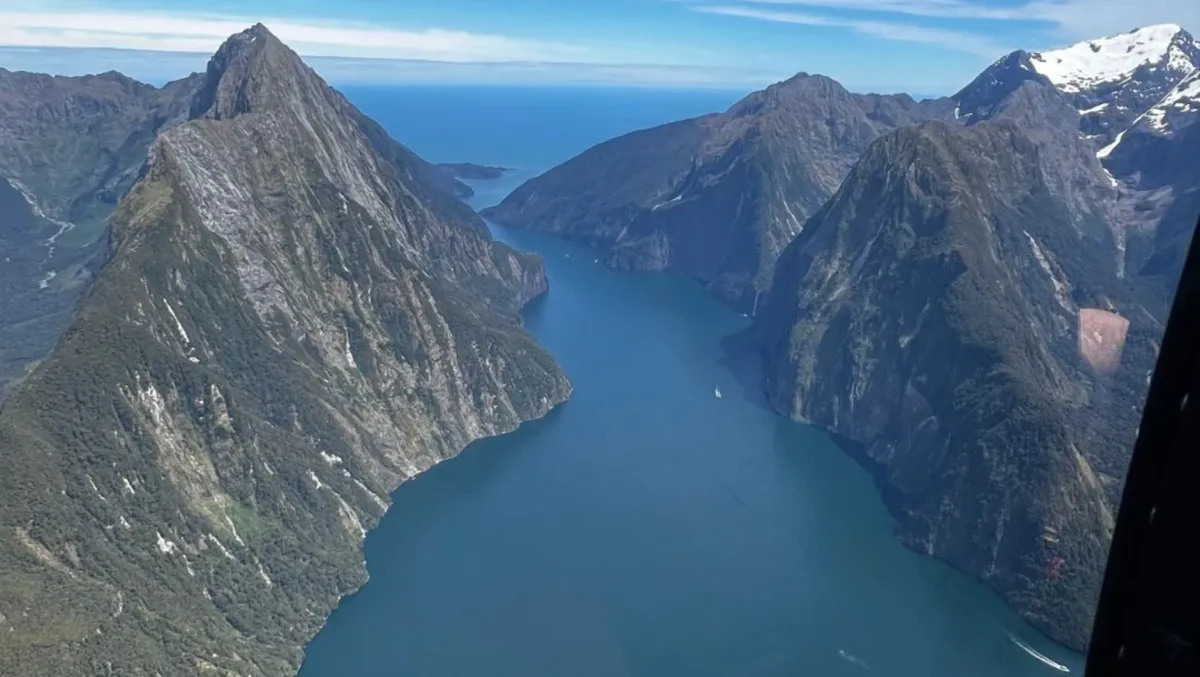
With Milford Sound/Piopiotahi hosting over one million visitors annually, and Rakiura around 40,000, large numbers could be present during an event, it said.
Southland had four main rivers - Waiau, Aparima, Ōreti and Mataura - and local emergencies had been called in response to flooding in 2020 and 2023.
Southland by the numbers
The plan broke down a range of numbers for the region, which it noted was the second largest in the country and home to just over 100,000 people.
Southland had the country's largest national park, almost 200 lakes, and the longest coastline stretching 3400km.
Mean household income for households last year was $120,900 - more than $20,000 less than the national average - and an increasing number of families were using foodbanks, even when a family member was in full time employment, it said.
Temperatures were projected to increase by up to 1 degree Celsius by 2040, and sea levels by at least 0.3 metres for the same period.
On a lighter note, the region was noted for its "unique 'rolling 'r' accent', inherited from Scottish settlers".