
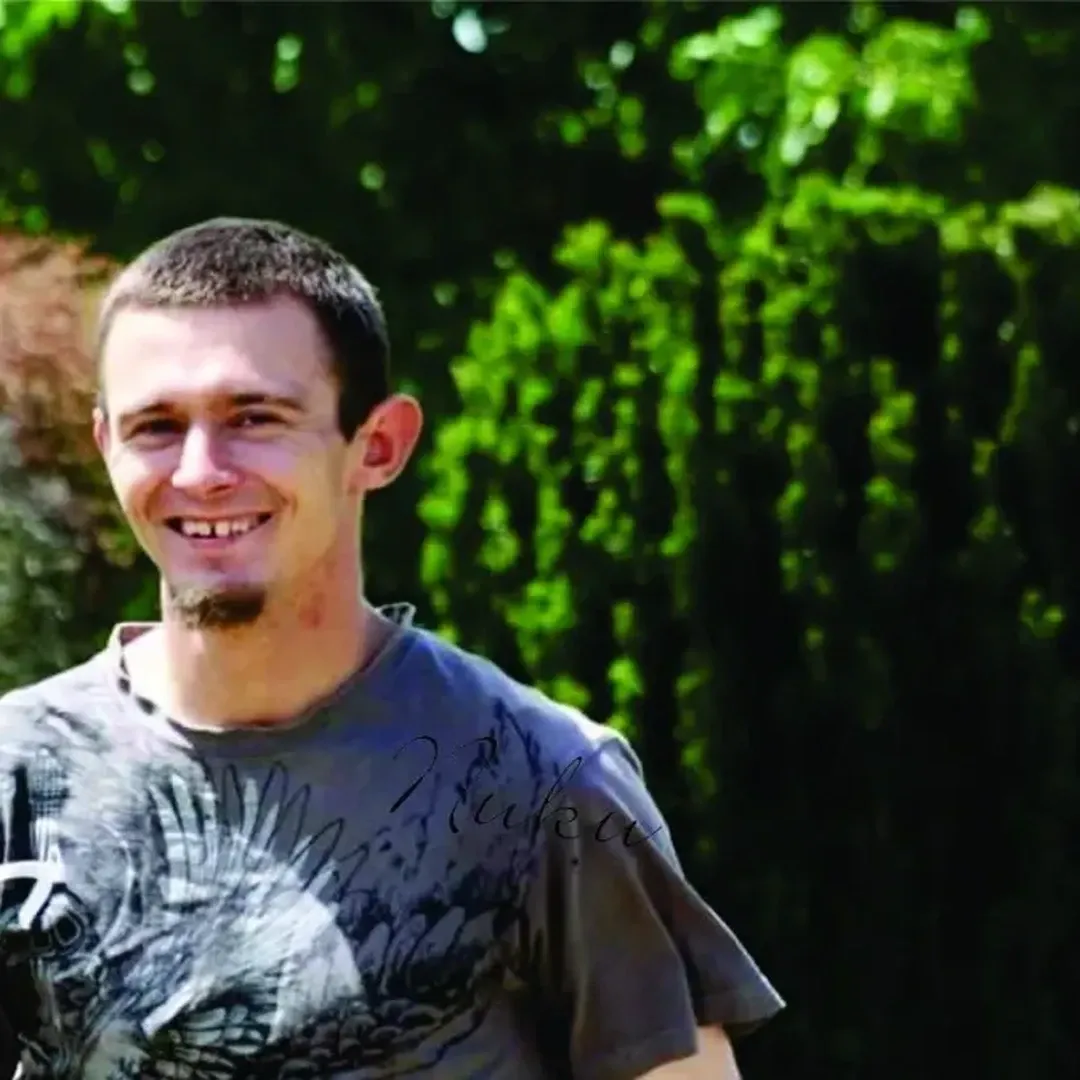
A coroner has found Corrections staff skipped a mandatory risk assessment before an Invercargill Prison inmate took his own life — and that a history of similar failures dates back nearly a decade.
Nukuroa "Nuku" Strange, 30, died in his cell on August 4, 2022. He had attempted suicide twice since June that year, and staff had deemed him at risk of self-harm four times.
The day before he died, Strange was moved out of the prison's Intervention and Support Unit — a specialised area allowing close monitoring and access to specialist care — after being assessed as "no risk" of suicide. He was then placed on directed segregation, isolated from other prisoners with no visits allowed.
Coroner Amelia Steel found staff did not carry out the required face-to-face risk assessment when segregating Strange, instead relying on the earlier "no risk" finding.
"While it is not possible to state whether an in-person review risk assessment would have altered the outcome for Nuku following his directed segregation, it represents a missed opportunity to reassess acute risk when it was formally required," Steel said.
Expert evidence at the inquest noted a vulnerable prisoner with plans to self-harm might say "all the right things" to staff simply to secure a transfer from the unit to standard cells where they had more privacy. Strange had resisted being placed in the unit on multiple occasions, twice resulting in planned use of force including pepper spray — the reason for his subsequent segregation.
On the morning of his death, two other prisoners warned staff. One reported seeing Strange "visibly distressed" on the phone. The other said he was not well enough to be in the South Unit and should return to specialist care.
His final calls were to his ex-partner and his mother. His partner had ended their relationship after Strange learned he was facing roughly eight years in prison for 22 driving, property and firearm offences.
"He told his mother he loved her and she told him not to do anything stupid. Footage from South Unit CCTV was played during the inquest and Nuku could be seen leaving those conversations, wiping his eyes," the coroner's report said.
A staff member who checked on him shortly after said he "did not appear agitated." He was found dead at 11.03am — 25 minutes after his cell was locked.
Steel made five recommendations. Chief among them: the creation of transitional units for prisoners moving between specialist care and standard units, changes to how risk assessments are conducted, and more trained mental health staff. She also recommended that historical self-harm alerts remain permanently active on prisoner files.
"This reflects the unpredictability of suicide risk and its manifestation; it may assist to remove bias associated with completing the assessment may support staff to complete the assessment correctly and in accordance with policy; and it mitigates an overreliance on the prisoner's self-reporting of risk," Steel said.
She was pointed in her criticism of Corrections' broader record. Despite warnings following a similar death in 2016, she found the department had failed to act with urgency to eliminate known hazards in cells, describing the current programme as "disparate and underfunded."
Corrections' response was mixed. It agreed to update alert systems to keep historical self-harm risks active and to continue investigating suicide training for staff. But it said consulting health staff on all risk assessments was not feasible, and rejected the transitional unit recommendation outright, citing funding constraints and the possibility that such a unit could be isolating or expose vulnerable prisoners to each other.
"A step-down unit could still be quite isolating, or could promote socialisation with other vulnerable at-risk people," it said.
Invercargill Prison is currently recruiting more mental health nurses and counsellors.
If you need support, free call or text 1737 any time to speak to a trained counsellor. Lifeline: 0800 543 354. Suicide Crisis Helpline: 0508 828 865. Samaritans: 0800 726 666. In an emergency, call 111.