Councils
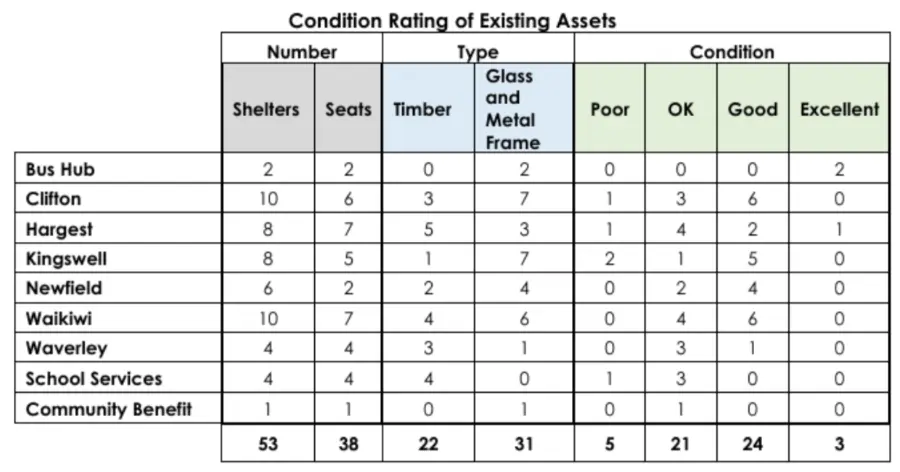
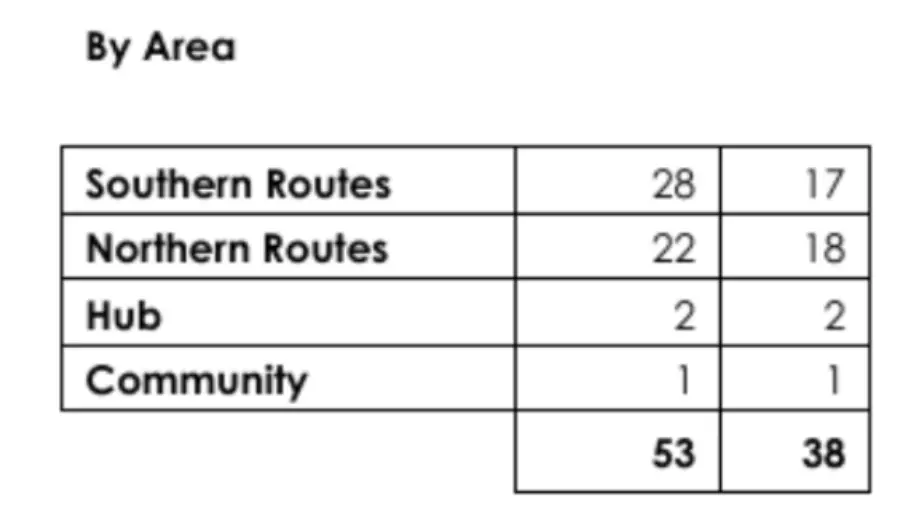
Bus shelter improvements are on the way after Invercargill City Council completed a review of all 53 shelters across the city.
The review was sparked by community organisation South Alive, which raised concerns about deterioration and maintenance issues at a council committee meeting in February.
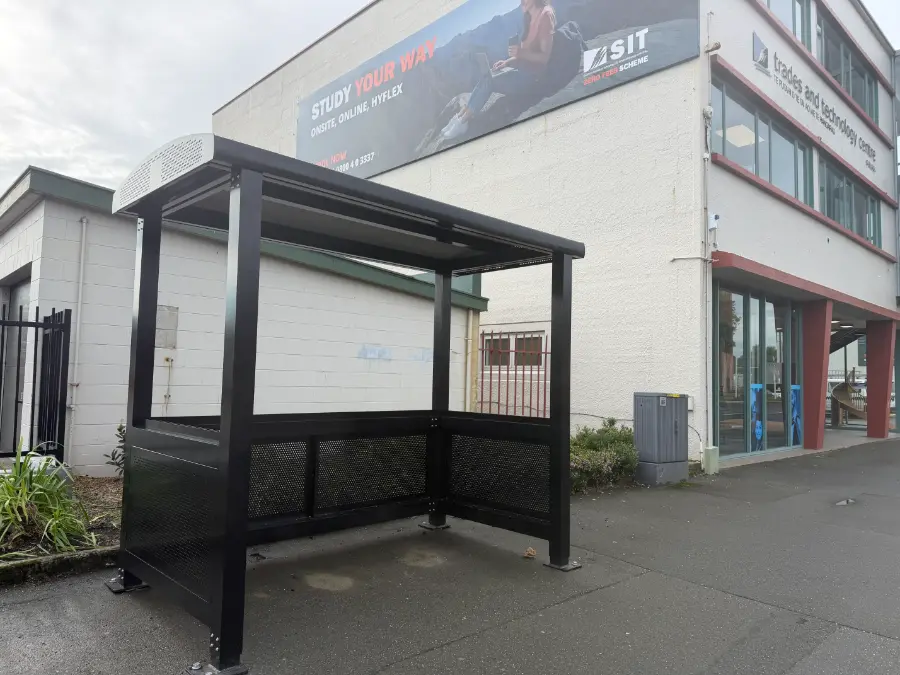
Council staff visited every bus shelter throughout Invercargill, assessing their condition and identifying priority repairs. Two shelters have been flagged for urgent renewal - one outside Splash Palace on Elles Road and another near the Southern Institute of Technology on Tay Street.
Councillor Alex Crackett, chair of the Infrastructure and Growth Committee, praised South Alive's involvement in highlighting the issues.
"We really valued the feedback that came through from South Alive young people, and it highlighted that Council shares their goal for enhanced connectivity within our city. The dialogue with South Alive reflects the real difference community members can make when they engage with Council," she said.
"We're keen to keep working with South Alive and other stakeholders, to ensure our bus shelters are fit-for-purpose for our community."
The council has agreed to work with South Alive youth to identify two bus shelters for beautification projects. Committee members also welcomed input from community groups and schools to improve shelter appearances.
Crackett noted that shelters with historical artwork showed notably less damage, suggesting community involvement could reduce vandalism.
"There is the potential to work with our community to make the shelters more appealing, which not only improves their appearance but has the added benefit of fostering community pride," she said.
"Looking at options such as decking our bus shelters out with bespoke artwork is also an opportunity to reflect the people and place of our community."
Acting Group Manager Infrastructure Jonathan Shaw said the review assessed shelters based on roof condition, glass panels, seating, structure, and damage from graffiti or vandalism. Most shelters align with current school or Bus Smart routes, though some remain in place because communities still use them regularly.
"Our team examined the condition of each of our shelters, and as a result high-priority repairs are in progress," Shaw said.
"Council staff will also further review passenger numbers by stop, to identify any high-use points along the network as we look to prioritise renewal and repair work in the future."
The review identified shelters rated as 'poor' or 'okay' for future repairs or upgrades. Two shelters not owned by council were found to be in the worst condition, and the council will advocate for their renewal or removal.
Contractors will continue periodic inspections, cleaning and repairs, with closer monitoring following the review findings.