
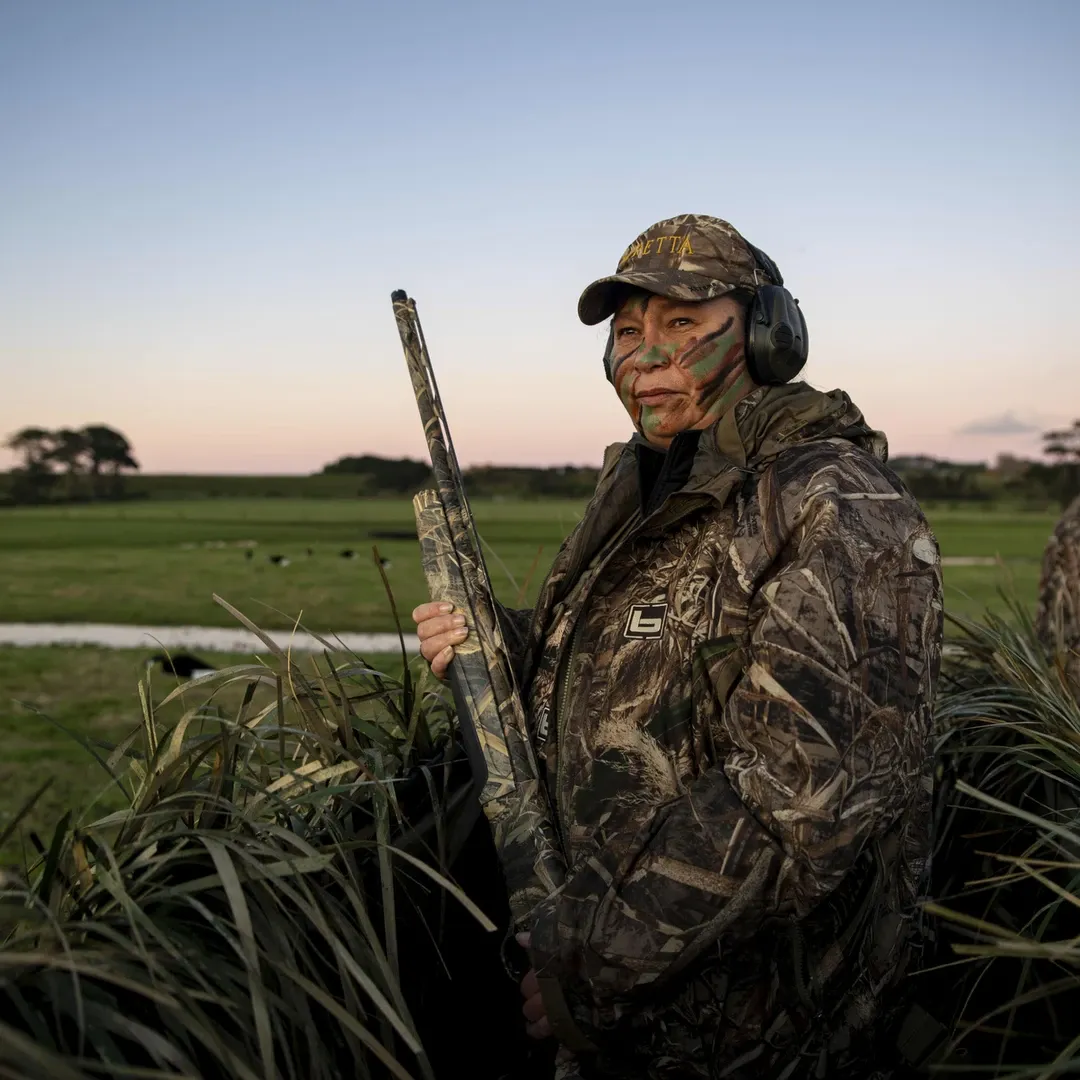
ACT wants to strip the Department of Conservation of its authority over game animals and hand it to the Game Animal Council — with full funding to match.
The party announced the policy at the Hunting & Wildlife Expo this weekend, pitching it as long-overdue recognition for hunters who have spent generations working New Zealand's backcountry for free.
"New Zealand hunters have spent generations in the backcountry. Every weekend they're out managing game animals, controlling predators, restoring huts, clearing tracks, and running trap lines. They do it because they love these places, not because they're paid. No group has done more for the backcountry, yet Government still treats hunters like a problem instead of one of our greatest conservation assets," said ACT Deputy Leader Nicole McKee.
The centrepiece of the policy is transferring responsibility for game animals on conservation land from DOC to the Game Animal Council, an organisation created specifically to represent hunters but which ACT says has never been given real authority. Alongside that, the party wants game and game-bird species formally recognised as valued natural resources in legislation, and the most prized herds — including Stewart Island whitetail deer — designated as Herds of Special Interest.
ACT conservation spokesperson Cameron Luxton pointed to DOC's maintenance backlog as evidence the current model isn't working. DOC has issued more than 2,300 hut closure alerts since 2021.
"DOC cannot manage New Zealand's conservation estate alone," Luxton said. "Hunters provide thousands of hours of work in the removal of predators, yet are not formally involved or in the management of backcountry huts, in which DOC has issued more than 2,300 closure alerts since 2021 and faces a maintenance backlog it will never clear on its own while community groups are delivering the same work at a fraction of the cost, then surviving hand-to-mouth on annual discretionary grants. That's backwards."
The policy would give community groups right of first funding for multi-year hut maintenance contracts rather than the current year-by-year discretionary grants. Hunters would also be able to earn credits through a Voluntary Nature Credits Market for verified conservation outcomes.
Access to public land is another plank. The Outdoor Access Commission would be directed to treat hunting access as a priority, and the Game Animal Council would take over managing fair access between recreational hunters and commercial venison recovery operators. DOC would lose the ability to dictate which helicopters commercial operators use — that would revert to the Civil Aviation Authority.
The policy also proposes infringement offences for interfering with lawful hunts, including by drone or helicopter.
"Hunters were promised a seat at the table when the Game Animal Council was created. Instead, they got another advisory role while DOC kept making the decisions. They know these places because they're out there every weekend, not because they've read another report," Luxton said.
Callum Sheridan, ACT's candidate for Waitākere and a former New Zealand Deerstalkers Association president, backed the announcement. "This is a great policy for hunters, who already contribute hundreds of thousands of unpaid hours to conservation efforts every year. The wider hunting community is a massively untapped, and often underappreciated, resource. Unlocking the potential of this sector is a win-win-win for keen hunters, conservation, and the taxpayer," Sheridan said.
Whether the policy gets traction beyond the hunting community will depend on whether it lands as pragmatic conservation reform or political point-scoring. The case for the former is harder to dismiss than DOC's defenders might like.