

New Zealand has signed a groundbreaking trade deal with Singapore that guarantees essential supplies like food and fuel will keep flowing between the two countries, even during major crises.
The Agreement on Trade in Essential Supplies (AOTES) was signed this week by Prime Minister Christopher Luxon and his Singaporean counterpart Lawrence Wong, though negotiations were completed last year.
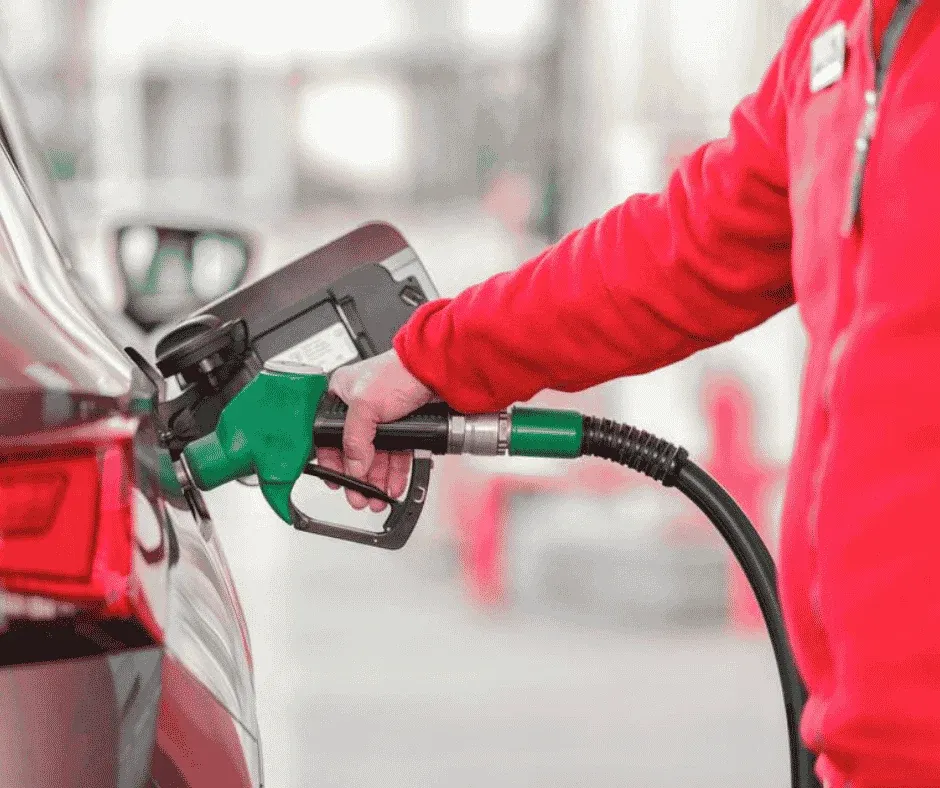
The timing has proved crucial, with Singapore continuing to supply fuel to New Zealand since the outbreak of war on Iran, despite global supply chain disruptions.
The deal operates on a simple principle: New Zealand needs fuel, Singapore supplies fuel. Singapore needs food, New Zealand supplies food.
Since the closure of Marsden Point refinery, New Zealand has relied entirely on imported refined fuel, with Singapore providing around a third of these supplies. Meanwhile, New Zealand exports significant amounts of food to Singapore.
Two-way trade between the countries was worth $11.07 billion in the year to June 2025, building on a relationship that began with their free trade agreement in 2000.
Unlike previous non-binding declarations, this new agreement creates legal obligations that prevent either country from imposing export restrictions on essential goods.
"Unlike the declaration, the AOTES is a binding, treaty level agreement and is not responding to an immediate supply shock but helping both of our countries prepare for future crises," Ministry of Foreign Affairs and Trade officials wrote in a national interest analysis.
The agreement covers 120 essential items. New Zealand's list includes petroleum, medications, vaccines, medical equipment, and building materials. Singapore's list focuses almost entirely on food: meats, vegetables, fruits, dairy, and grains.
However, the deal won't reduce fuel prices for New Zealand consumers. While it ensures supply continuity, it doesn't regulate private sector pricing or guarantee procurement at set rates.
"The fuel companies can source it. They can refine it. They can transport it. But it's still going to cost us, especially if that supply gets more constrained," the analysis noted.
Both leaders have been pessimistic about current fuel price pressures, with neither expecting the crisis to end soon.
The agreement includes emergency provisions allowing rapid meetings to discuss adding or removing goods from the protected lists, and requires both countries to share information during supply chain disruptions.
Luxon defended the timing of the formal signing, rejecting criticism that he should have travelled to Singapore sooner.
"We didn't need to, because the Australians didn't have what we have. They probably still haven't got what we have. We put this in place in October, Prime Minister Wong and I are good friends, and we agreed that we would work to this and formally sign it on this visit. So it's served us incredibly well," he told RNZ.
Both leaders have expressed openness to other countries joining the agreement, provided they can meet the same standards and commitments.
In July, New Zealand will chair a meeting with 15 like-minded economies including Malaysia, Switzerland, Norway, and the United Arab Emirates, with potential for expansion of the agreement.