
News
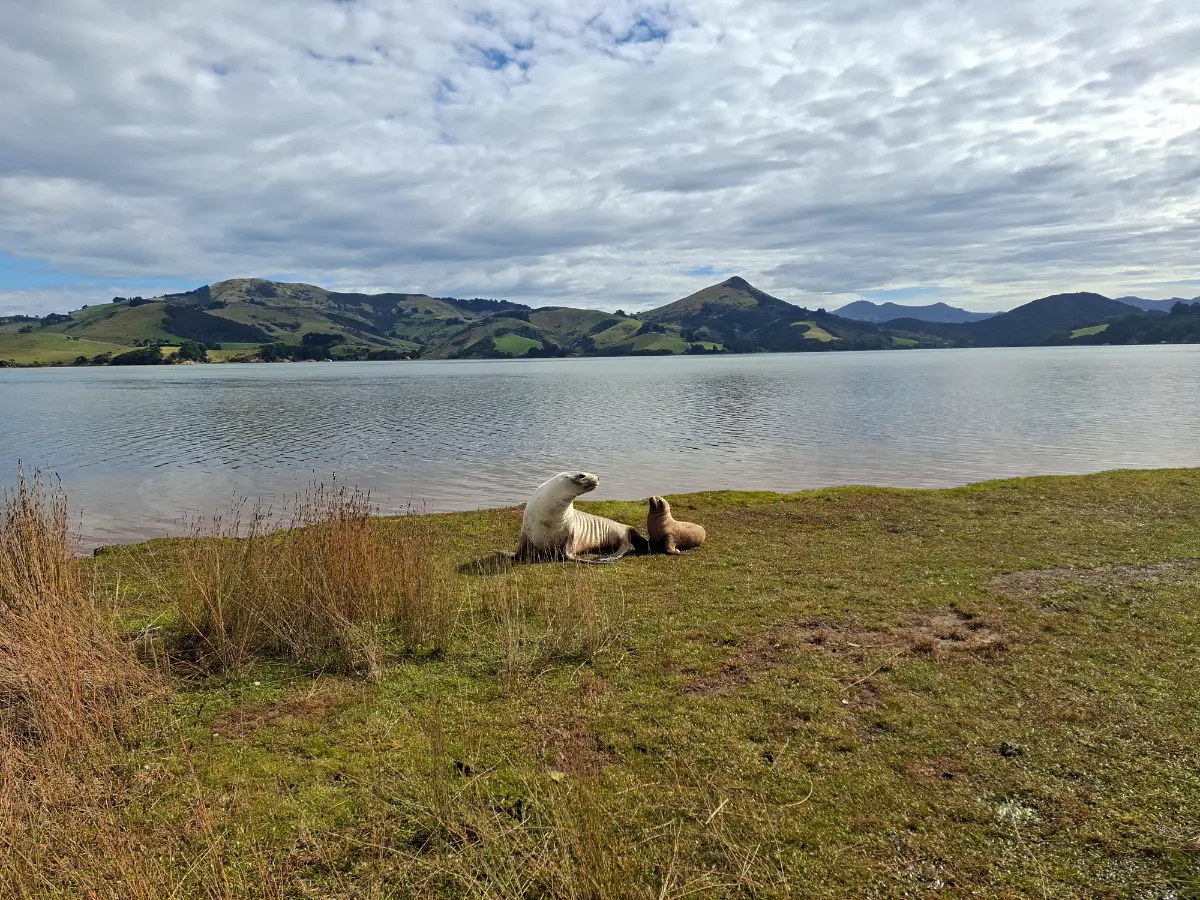

Otago's New Zealand sea lion population has reached a historic milestone, producing more than 35 pups in a single breeding season for the first time in over a century.
With 38 pups born this season, the population is officially on track to become mainland New Zealand's first breeding colony in 150 years, excluding Stewart Island. To achieve official breeding colony status, at least 35 pups must be born for five consecutive seasons.
Otago Community Trust CEO Nadia Wesley-Smith says this represents "a significant amount of work from many dedicated families and members of our wider Dunedin community. While we celebrate this occasion, we continue to strengthen ongoing conservation efforts to enable a flourishing sea lion population."
Department of Conservation Coastal Otago Biodiversity Ranger Moss Thompson calls it "a milestone more than 30 years in the making."
"This is an incredible success story and reflects the incredible work by local iwi, conservationists, and the Otago community who have all championed the return of this treasured species to our coastlines," Thompson said.
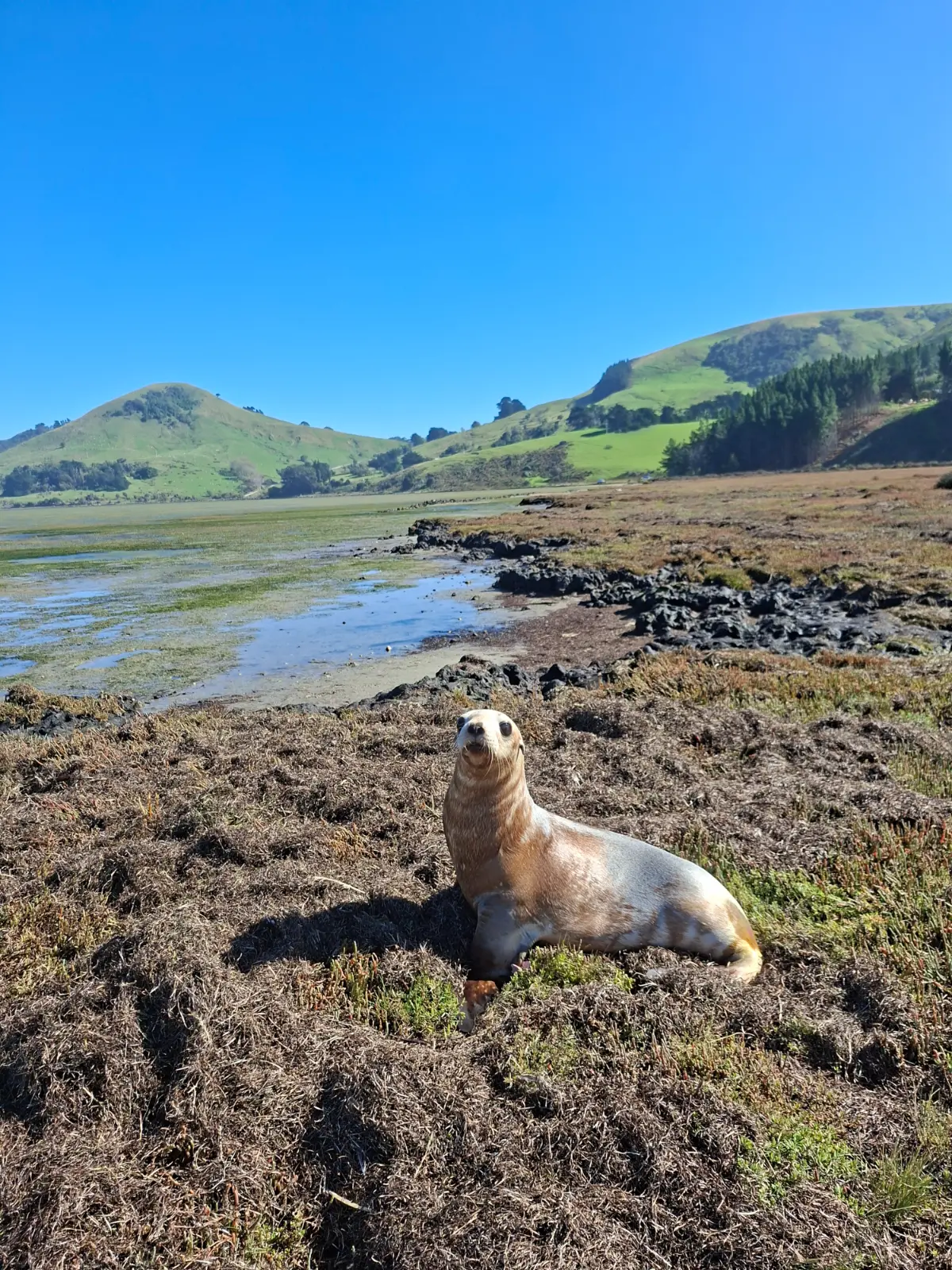
New Zealand sea lions are among the world's rarest sea lion species. Once widespread across South Island coastlines, they declined due to hunting and were functionally extinct on mainland New Zealand by the early 20th century.
The turnaround began in 1993 when a single female called 'Mum' became the first New Zealand sea lion in over 100 years to birth a pup on the mainland in Otago.
"Almost every Otago sea lion can be traced back to Mum," says Thompson. "From that first pup, to a population that's now roughly 50 breeding females strong, having 38 pups in a single season, it's a huge achievement."
Shaun McConkey, chair of the New Zealand Sea Lion Trust, says "As the numbers continue to increase, we will need to work out ways to share our coastlines with these large, charismatic treasures."
With more active pups along coastlines, officials remind the public to watch for sea lions when driving coastal roads and keep dogs controlled, as the animals may approach vehicles or rest in unexpected places.